
You’ve probably already heard that indoor air can be more polluted than outdoor air. Sounds a bit alarming, right ? Between furniture off-gassing, cleaning products, paint fumes and general dust, our homes are full of stuff we’d rather not be breathing in all day. The good news ? A few well-chosen plants can genuinely help.
Why bother with indoor plants at all ?
Now, I want to be upfront : plants aren’t going to replace proper ventilation. But they do contribute, and honestly, even if the air-purifying effect were minimal, having greenery around the house just feels better. If you want to go deeper on which plants work best and why, the folks at https://www.jardinerie-actualite.fr have some really solid content on plant care and indoor gardening. Worth a look.
The plants that actually do the job
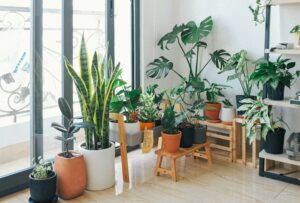
Let’s skip the fluff and get straight to the ones worth having at home.
Spider Plant (Chlorophytum comosum)
This one is almost unfairly easy to keep alive. It tolerates low light, irregular watering, and generally being forgotten for a week. It’s known to absorb formaldehyde and carbon monoxide – two compounds commonly found in homes with gas appliances or new furniture. I find it’s one of those plants you stop noticing after a while, but it just quietly does its thing.
Peace Lily (Spathiphyllum)
Probably the most recommended plant for air quality, and for good reason. It filters benzene, ammonia, and trichloroethylene, which are found in paints, varnishes and some cleaning sprays. It also flowers, which is a bonus. One thing to watch : it’s toxic to cats and dogs, so keep that in mind if you have pets.
Snake Plant (Sansevieria / Dracaena trifasciata)
Maybe the toughest plant on this list. Almost unkillable. It’s one of the rare plants that releases oxygen at night rather than during the day, which makes it a popular choice for bedrooms. It deals with formaldehyde, xylene and toluene. Perso, I think it also looks great – those tall, architectural leaves work in pretty much any interior.
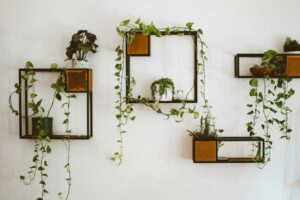
Pothos (Epipremnum aureum)
Trailing, fast-growing, and very forgiving. Pothos is fantastic for absorbing volatile organic compounds (VOCs) and does well in lower light conditions. It’s also one of the cheapest plants you can find at any garden centre. If you’re just starting out with indoor plants, this is the one to get first.
Aloe Vera
Most people know aloe for its gel and its soothing properties on sunburned skin. But it also filters formaldehyde and benzene. The practical bonus ? It’s a useful plant to have around for minor burns in the kitchen. Keep it on a sunny windowsill and it basically looks after itself.
A few things to keep in mind
More plants doesn’t always mean better results. Overwatering is probably the number one reason houseplants die, and damp soil can actually encourage mould – which kind of defeats the purpose. So yes, water your plants, but check the soil first. Most of the plants listed above prefer to dry out a little between waterings.
Light matters too. A peace lily in a dark hallway will survive, but it won’t thrive. Try to match each plant to the light conditions in your home before you place it somewhere permanent.
And one more thing – grouping plants together tends to increase the humidity around them, which can actually improve air quality in dry indoor environments, especially in winter when central heating kicks in. It’s a small effect but a real one.
Which plant should you start with ?

Honestly ? If you want zero hassle and visible results, go for a snake plant or a pothos. They’re cheap, resilient, and effective. If you’re looking for something a bit more decorative, the peace lily is hard to beat – just keep it away from pets and children.
The idea isn’t to turn your living room into a jungle (unless you want to, in which case, fair enough). Even two or three well-placed plants in a space you spend a lot of time in – your bedroom, home office, or kitchen – can make a real difference over time.
Give it a try. You might be surprised how quickly a few plants change the feel of a room.