
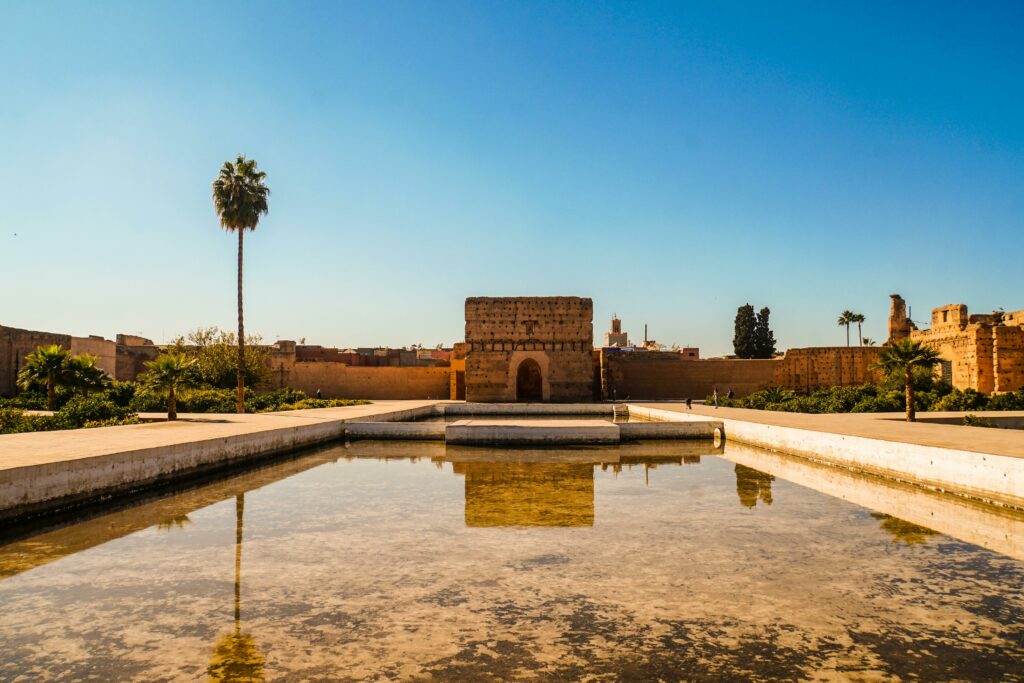
Marrakech. Just saying the name feels like something. It’s one of those cities that gets under your skin the moment you land – the heat, the noise, the smell of spices mixing with exhaust fumes at the edge of the medina. Honestly, it’s a lot. And that’s exactly why people keep coming back.
Planning a trip to Marrakech in 2025 is easier than ever, but there are still things you can get wrong. Booking the wrong neighbourhood, showing up in August without knowing what 40°C actually feels like, or staying in a soulless hotel when a riad would have changed everything. If you want to avoid those mistakes, a good starting point is riad-marrakech-location.com, which gives you a solid overview of what riad accommodation actually looks like and why it matters for your stay.
When to Go : Don’t Skip This Part
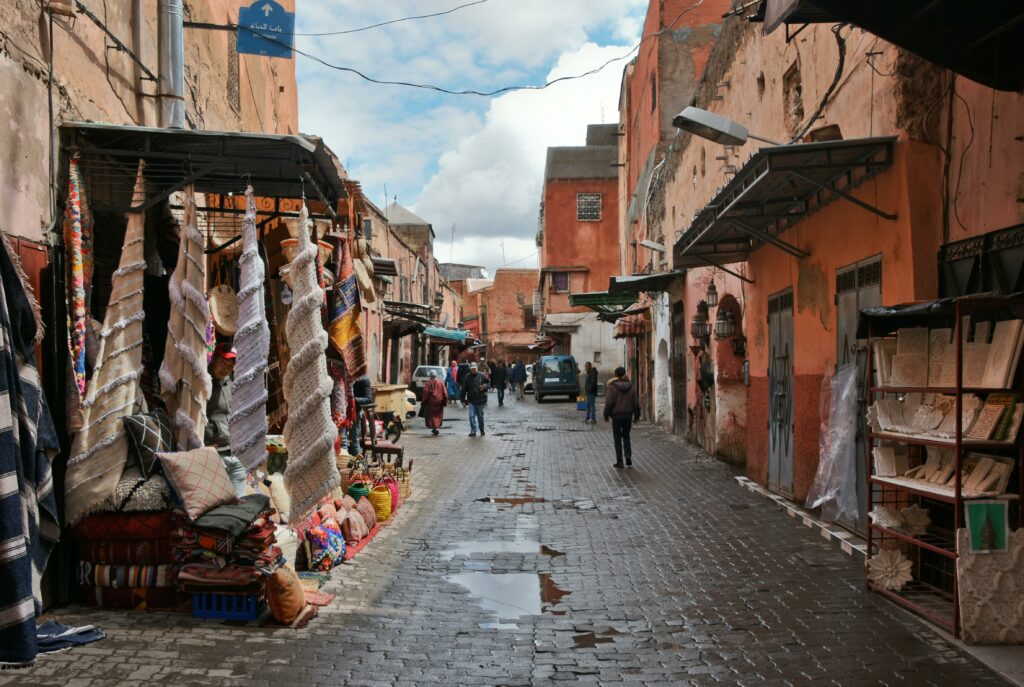 Spring (March to May) and autumn (September to November) are, without question, the best times to visit. Temperatures sit between 20°C and 28°C – warm, pleasant, completely manageable. You can walk the souks for hours without feeling like you’re melting.
July and August ? Perso, I’d avoid it. Temperatures regularly hit 38–42°C, and the medina gets oppressively hot 11am. It’s doable, but you’ll spend half your day hiding inside. December and January are surprisingly cool – sometimes cold at night – but the days are crisp and the city is much calmer.
Where to Stay : Riad vs Hotel
This is honestly one of the biggest choices you’ll make. And I find that most first-time visitors underestimate how much it affects the whole experience.
A riad is a traditional Moroccan house built around a central courtyard. They’re almost always tucked inside the medina, behind unmarked doors that give nothing away from the street. Step inside and it’s completely different – tiled floors, a fountain, quiet. It’s almost theatrical.
Hotels – especially those in Hivernage or Guéliz – offer more comfort, pools, and easier access car. They make sense if you’re travelling with young kids or you just want reliable air conditioning and a gym.
For a first visit, a riad in the medina wins. Full stop.
Which Neighbourhood to Pick
Marrakech has distinct areas and where you sleep changes everything.
The medina is the historic heart – the Djemaa el-Fna square, the souks, the mosques. Chaotic, fascinating, exhausting in the best way. Most riads are here.
Guéliz is the modern French-built neighbourhood. Wide avenues, cafés, restaurants, galleries. More relaxed. Good if you want a mix of old and new.
Hivernage sits just south of the medina – home to large luxury hotels and a more resort-style feel. Less authentic, but very comfortable.
Palmeraie is a 20-minute drive out of the centre, known for its palm trees and upscale villas. Worth considering for a longer stay or if you want total calm.
What to Actually Do (Beyond the Obvious)
Yes, you should see the Djemaa el-Fna at sunset. Yes, the Majorelle Garden is worth it – arrive before 9am or accept the crowds. And yes, you need at least one long wander through the souks without a plan.
But here’s what often gets skipped :
The Saadian Tombs – discovered in 1917 after being sealed for centuries. Small, quiet, genuinely stunning.
The Mellah – the old Jewish quarter, just south of the main souks. Less visited, more atmosphere.
A cooking class – sounds touristy, but a good one (run from a local home or riad) teaches you more about Moroccan culture in three hours than any museum.
A day trip to the Atlas Mountains – Imlil is about 90 minutes car. The contrast with the city is staggering.
Budget : What to Expect in 2025
Marrakech can be done cheap or expensive – it stretches both ways.
A decent riad in the medina starts around £50–80 per night for a double room, sometimes less. Mid-range options are plentiful around £80–150. Above that you’re into seriously luxurious territory.
Food is where Marrakech really delivers value. A tagine at a proper local restaurant – not the overpriced tourist traps on the square – will run you £4–8. Fresh orange juice from the market stalls is basically free (around 5 dirhams, less than 50p).
Budget roughly £600–900 per person for a five-day trip including flights from the UK, accommodation, food and activities. Perfectly doable. Less if you’re willing to be flexible.
Practical Tips Before You Go
 A few things that’ll make your life easier :
Download offline maps before you enter the medina. Getting lost is part of it, but having a reference helps.
Dress respectfully – shoulders and knees covered in the old city. Not optional, and genuinely appreciated.
Haggling is expected in the souks, but don’t be aggressive about it. Start at roughly half the asking price and meet somewhere in the middle.
Drink bottled water. Tap water in Marrakech isn’t recommended for visitors.
Learn three words in Darija (Moroccan Arabic): shukran (thank you), labas (I’m fine / no problem), and bsaha (cheers / good health). People notice. It matters.
Is Marrakech Still Worth It in 2025?
Maybe you’ve heard it’s gotten too touristy. Too busy. Too Instagram-ified. And look – there’s some truth to that. Certain corners of the medina feel a bit theme-park-ish now. The pressure from touts around the main square can be tiring.
But step two streets back from the main drag and it’s still raw, real, and completely unlike anywhere else. The call to prayer at dawn. The light in the late afternoon. The way a bowl of harira soup at a market stall tastes better than anything you’d find in a restaurant.
Marrakech in 2025 is louder and more visited than ever. It’s also still, genuinely, one of the most interesting cities you can visit from Europe. Go. Just go prepared.